«Zurich wine – between cows and skyline»
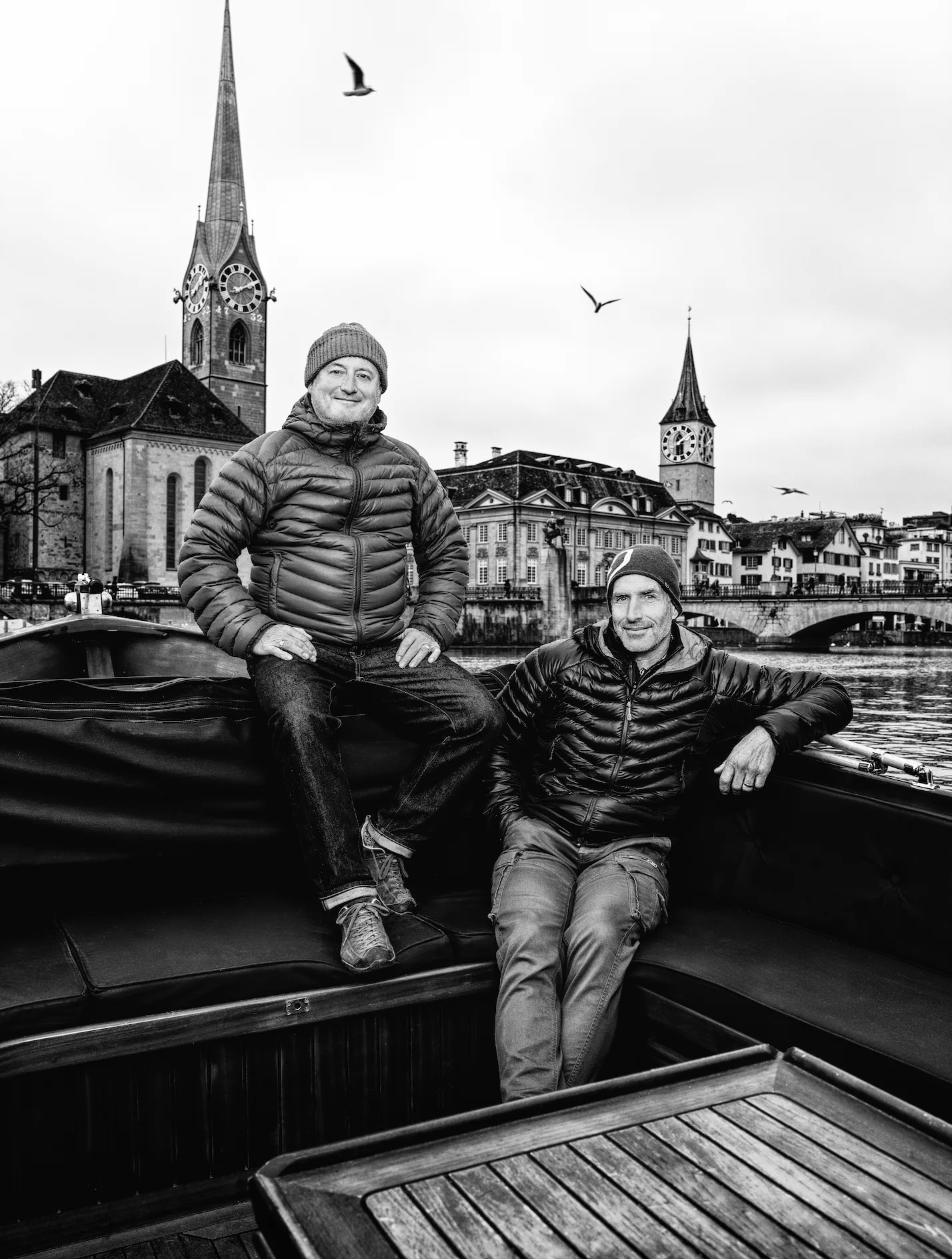
«“City or countryside? It’s an eternal clash, riddled with stubborn clichés. Overpriced latte macchiato here, fresh farm milk there. Culture here, nature there. The city is hectic, the countryside boring. And yet, a good glass of wine has bridged deeper divides. Nowhere is this better understood than at Landolt Wines. For 190 years, the winery has been producing wine right in the heart of Zurich. Its vineyards are located both in the canton and the city of Zurich and have been cared for over the past ten years by Dani Grab and Nik Zeljkovic. We met the two winegrowers to talk with them about the clichés of city and countryside.” »
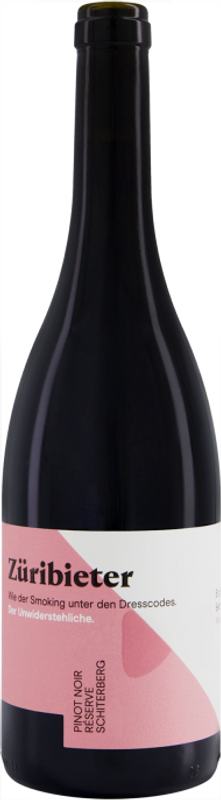
Dani Grab is Zurich countryside through and through. He lives in Kleinandelfingen, where he cultivates the Schiterberg, the steepest vineyard in the canton. He became a winemaker after a journey through New Zealand awakened his longing for nature, craftsmanship, and freedom. Today, he runs a diverse farm where not only grapes grow, but also berries for the ice cream manufactory of his wife Brigitte. What once began as a village-festival experiment is now almost as famous as the vineyard itself.
The feeling that worries move a little more slowly here than in the city. And yet, as a winemaker, climate change naturally doesn’t leave him untouched: “The effects are clearly noticeable for us. In some cases, we now adopt techniques from southern regions.” One political trend he would like to discuss someday over a bottle of Pinot Noir with Federal Councillor Guy Parmelin is the growing skepticism toward alcohol. “A good glass of wine in a relaxed atmosphere isn’t harmful – too much stress, on the other hand, is,” Dani is convinced, adding: “After all, we winemakers are statistically the professionals who live the longest.” Is it the calm, the air, or the wine? Probably the successful combination. That’s exactly how his Pinot Noir tastes: balanced and fruity. With every sip, you can sense the sun and the tranquility of the Schiterberg.
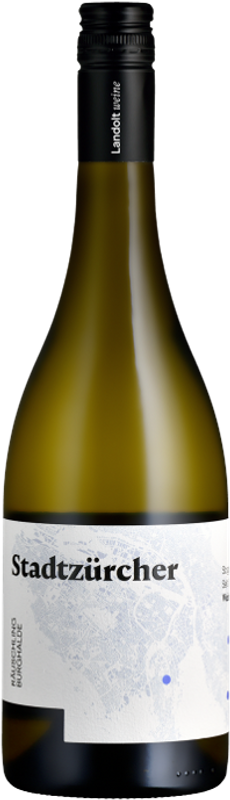
… – it is also a wine city. This is absolutely exceptional worldwide, yet largely unknown locally. In the 18th century, almost every suitable green space in Zurich was planted with vines. Today, vineyards are rarer, but they still cover around 14 hectares in total – a small miracle given the high land prices. Nearly half of these urban vineyards are tended by Nik Zeljkovic.
Nik is a true city Zurich native. He originally trained as a structural draughtsman, but spent most of his summers on an alpine farm. This eventually led him to train as a farmer and later as a master winemaker. Since 2003, he has been responsible for the urban vineyards of Landolt Weine, and in 2011 he founded his own company, “Rebwerk”.
....away from Kleinandelfingen, the climate in the city is completely different. The thermal effects of Lake Zurich ensure good air circulation between the vine rows and make frost a rare exception. On the other hand, there are challenges that rural winegrowers hardly ever face: major events can sometimes block access to the vineyards. Nik always has to reckon with traffic chaos while working. And after the Street Parade, it can happen that the winemaker first has to escort overnight guests out of the vine rows before he can continue his work. That’s city life: dynamic, dense, never boring – but sometimes exhausting. Räuschling is Zurich’s cult grape, a nearly extinct original that is currently experiencing a revival. Perfect for an apéro – or rather, after work. Fresh, lively, and multifaceted, like a city that never stands still.
City or countryside? Our two wines prove that clichés may be charming, but reality is far more exciting. The Züribieter brings deceleration, the Stadtzürcher brings energy. Together, they show that great things can grow anywhere – whether among cows or tram tracks.
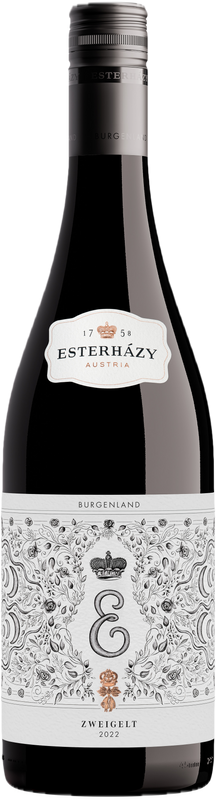
Since 2019, the winery has been working with certified sustainable practices. The goal: to create wines with presence and depth, yet without heaviness; wines that celebrate fruit without losing tension – in other words, drinking pleasure as a guiding principle of style. The bottle bears the Order of the Golden Fleece, once the highest secular distinction of the Holy Roman Empire, worn by almost all princes of the house since 1628. But behind this noble symbol today lies a refreshing pragmatism – or let’s say, a knowing wink.
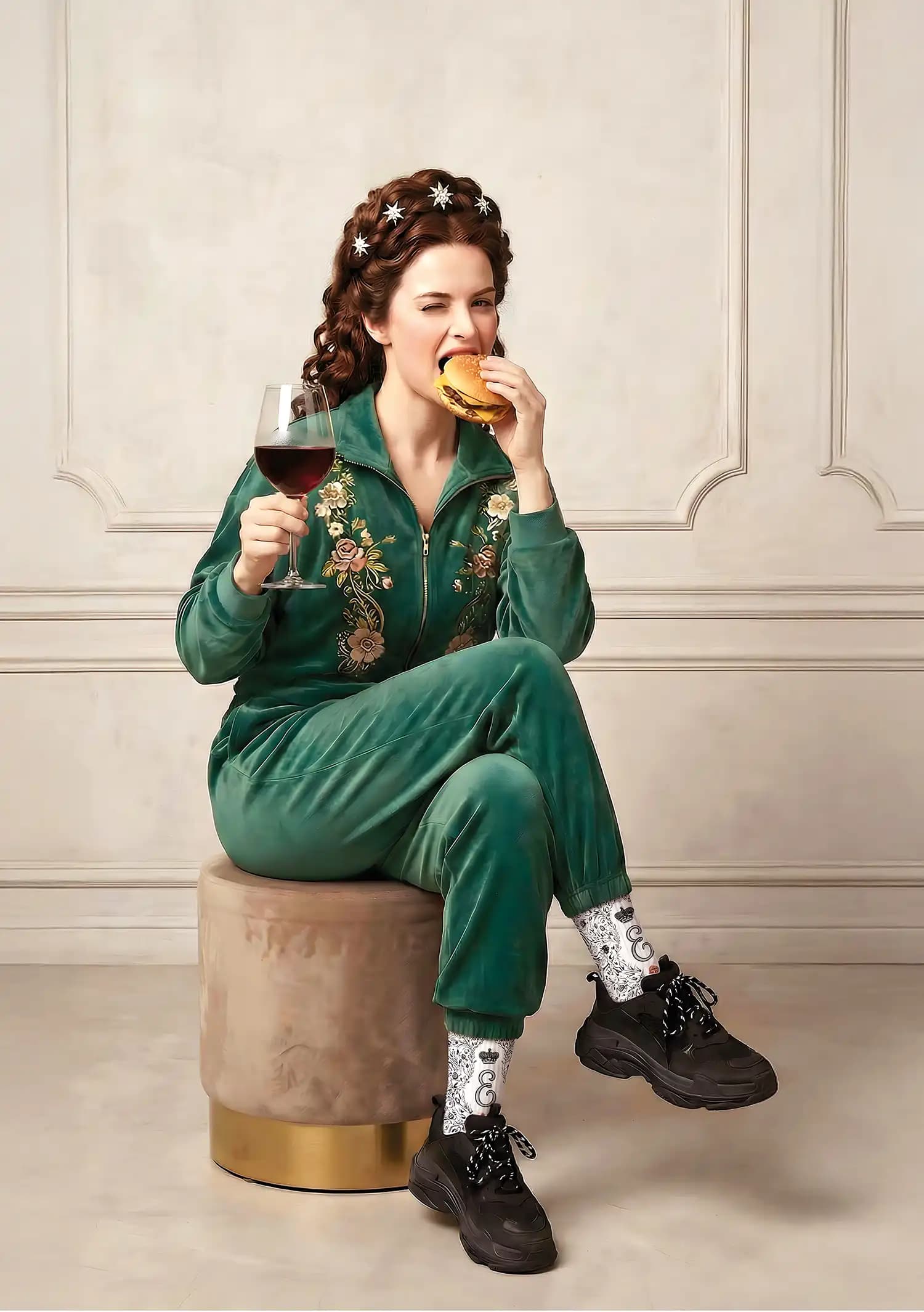
We imagine a modern Sisi who, instead of stiff haute cuisine, prefers a burger with a glass of Zweigelt. Incidentally, the legendary empress maintained a close connection with the aristocratic family. One could almost say: this wine is like Sisi’s unforgettable flirt with the young Niki Esterházy – charming, playful, and full of character.
If a wine could speak, the Esterházy wine would likely have a lot to say. It would recount the history of Europe since the Thirty Years’ War and share anecdotes from the glittering court life of Europe’s high nobility. The cultural resonance of the Esterházy name remains undiminished to this day. The heart of the noble family lay in Burgenland, above all the palace in Eisenstadt, where Joseph Haydn made music history as court composer. For centuries, the family shaped not only the region’s architecture and culture, but also its winegrowing tradition: cellar records date back to 1758.
The Esterházy estate succeeds impressively in not being weighed down by its rich heritage: “We live in the present, interpret our heritage in today’s world, and fill it with life,” is the winery’s guiding principle. Today, the wines are no longer vinified in the historic castle cellar, but in a state-of-the-art winery on the shores of Lake Neusiedl.
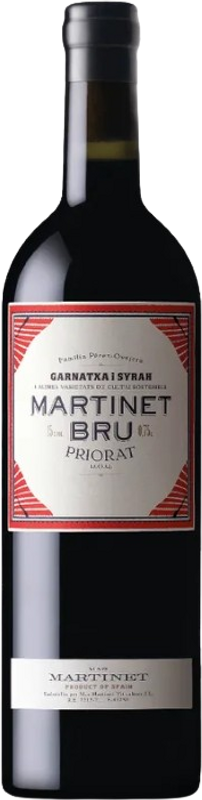
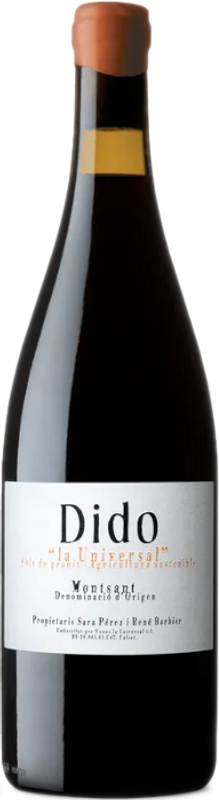
When Sara Pérez was eight years old, her father founded the winery Mas Martinet. For her, this mainly meant having to move from Barcelona to the middle of nowhere. Ten years later, she returned to the city to study biology and philosophy. It was only then that she realized how deeply those years in the countryside had shaped her. She decided to become a winemaker herself, and at just 24 years old, she took over the management of Mas Martinet.
In the early years, she fought for her place in the male-dominated wine world. To be taken seriously, she began speaking loudly, boldly, and as tough as the old winemakers—and drank her coffee black. Her wines, too, had to be powerful, as was customary in the region at the time. “But at some point, I realized that this wasn’t the kind of wine I admired,” Sara says today.
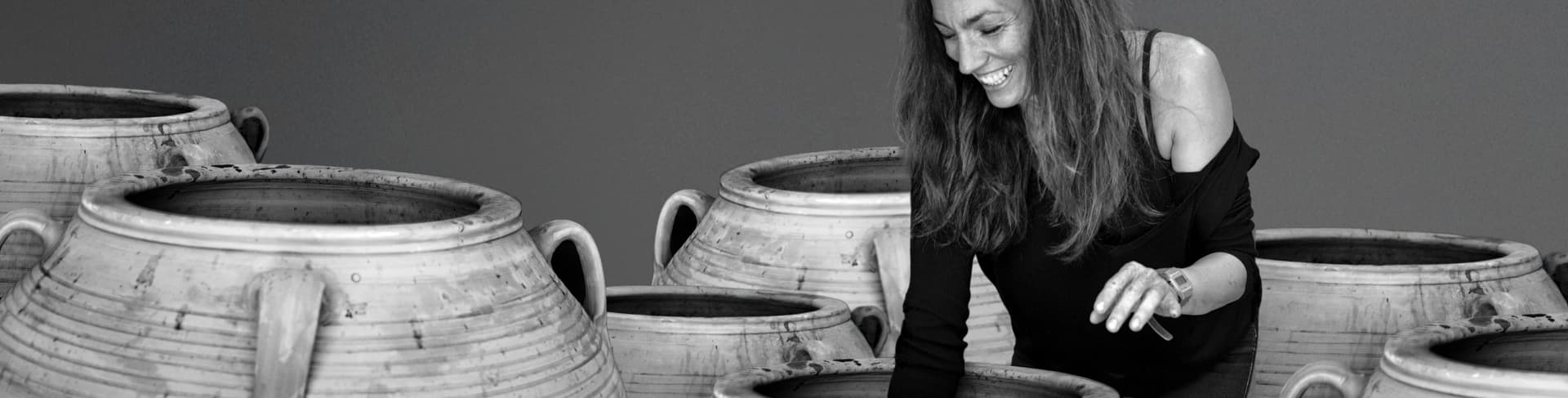
...just fifteen minutes from Mas Martinet, on the sandy terroir of Montsant. She named it Venus la Universal after having seen Botticelli’s famous painting in Florence shortly before. The name was a statement of beauty and rebirth: “It was about all the things I had hidden in the 1990s when I was trying to be strong.”
Her wines became an expression of freedom, sensual and powerful at the same time. The German newspaper Die Zeitcalls Sara Pérez “the most influential woman in Spanish wine.” For many, she is a role model and a trailblazer in an industry that is still largely dominated by men.
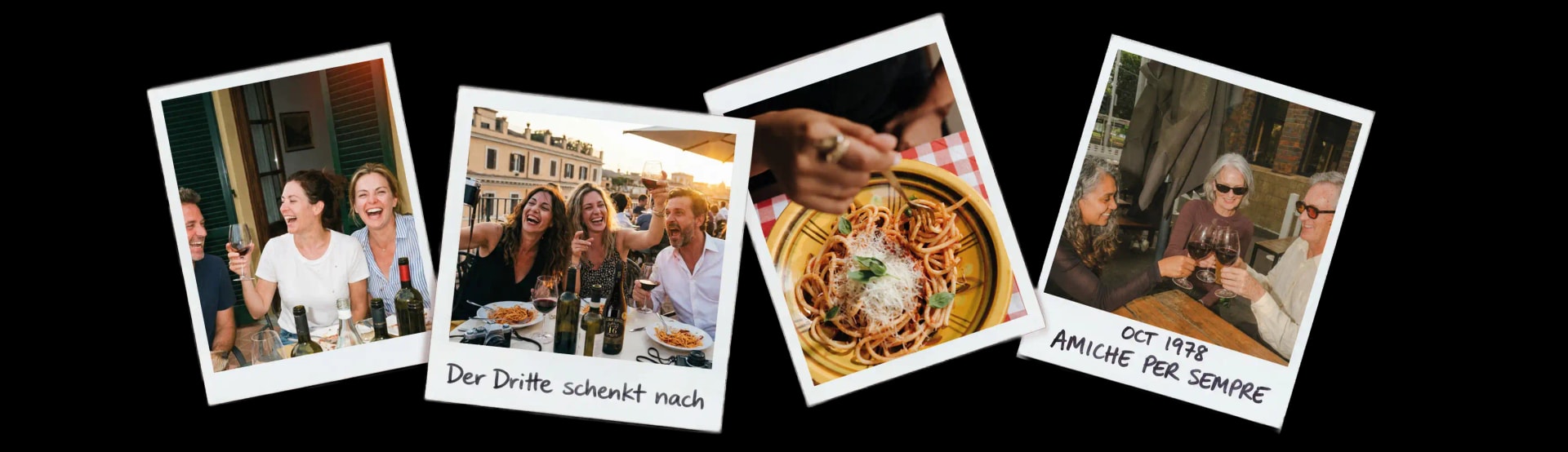
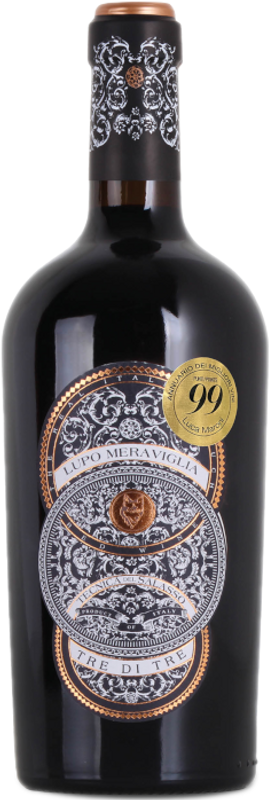
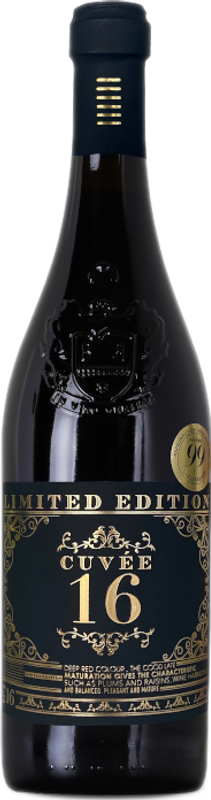
New wines from Italy are like new acquaintances: some remain politely distant, others win us over immediately. These two clearly belong to the second category. Their names are Lupo Meraviglia Tre di Tre and Cuvée 16 – names that already hint at cuvées full of power and richness.
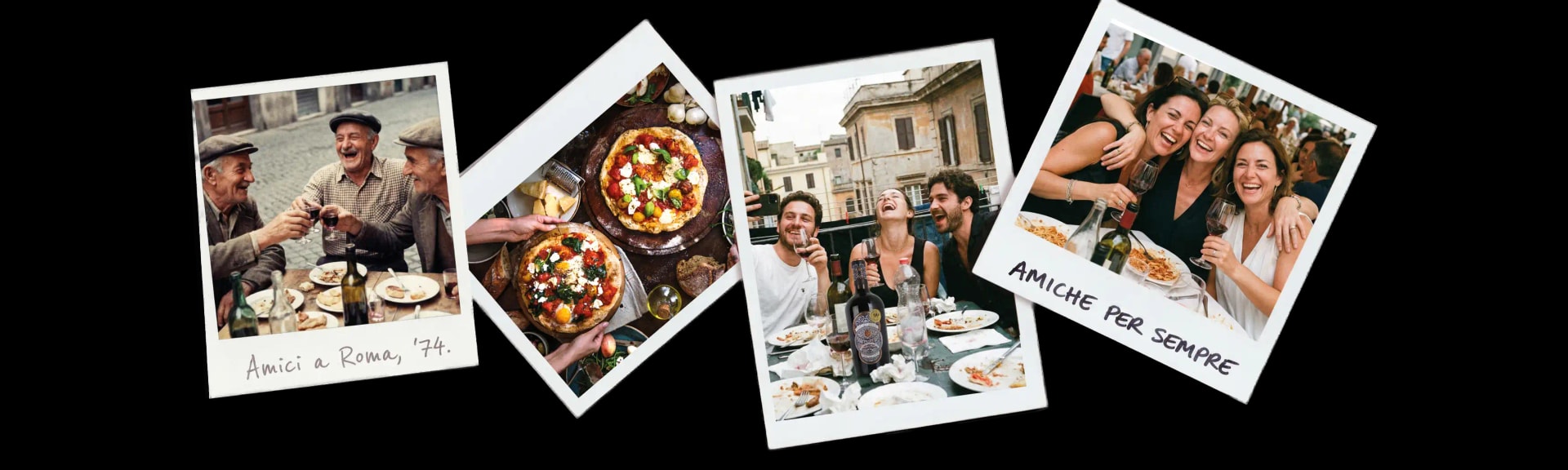
For the Italian wine critic, it’s not labels or price tags that matter, but the feeling in the glass. The inner values. Just like in friendships. Perhaps that’s why we like these wines so much: they’re not complicated, just genuinely enjoyable.
Rarely does a single voice make an evening unforgettable. The most beautiful moments are when different characters at the table don’t compete, but complement one another. Yes, sometimes there’s a bit of teasing – only to end up laughing together about each other’s quirks. While one may be loud, another deep, and the third gentle, together they become more than the sum of their parts.
... a well-crafted cuvée is a “we” in the glass. Is there a more fitting style of wine to raise a glass with friends? Here’s to the joy of not being the same, and yet fitting together perfectly.
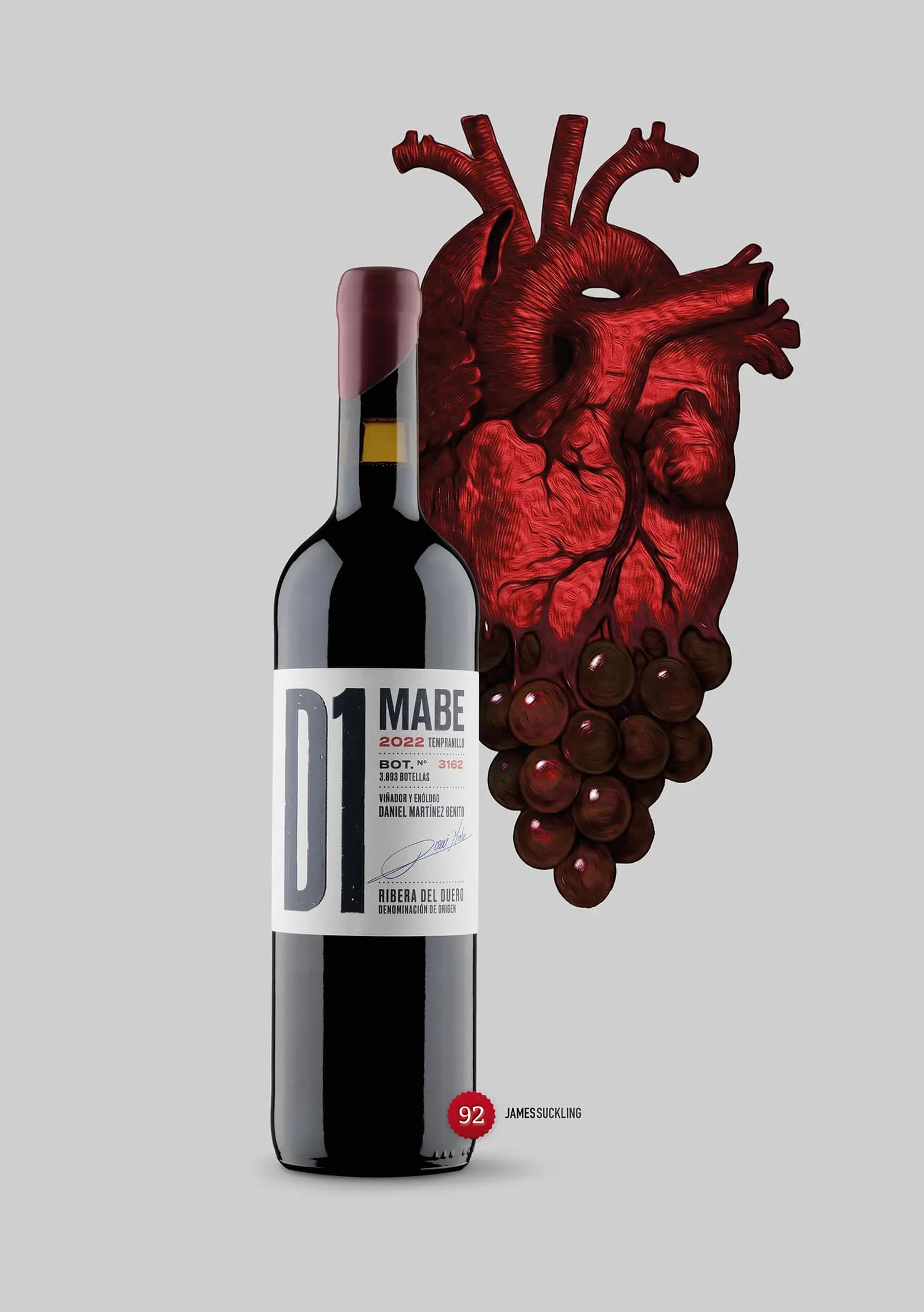
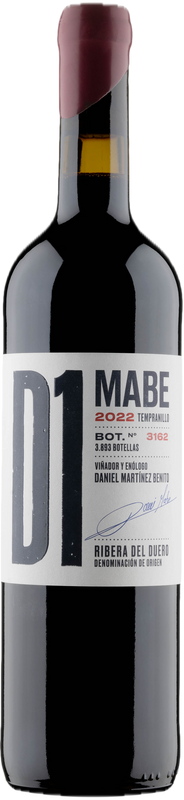
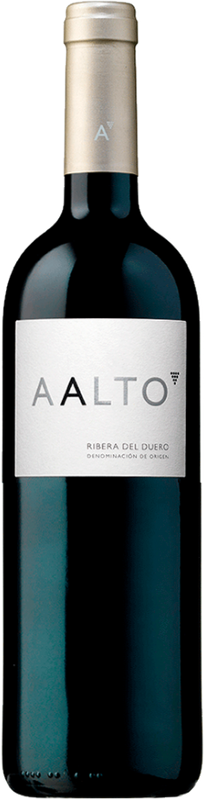
...– so-called vinos de autor: wines made in very small quantities, clearly shaped by the hand of their winemaker. This style of wine is an expression of an oenological movement that values authenticity over mainstream appeal. Dani works organically and understands sustainability not as a marketing term, but as respect for the vine – and for life itself.
D1 is passion bottled: full of aromatic vitality, yet marked by a calm sense of balance. A mature, uncompromisingly honest wine – nothing smoothed over. Like a grown person who no longer hides their rough edges, but embraces them as a strength of character. A love letter to Ribera del Duero – and to a dream that began in the hands of a child.
Dani Martínez Benito was barely tall enough to hold a pair of pruning shears when his father showed him how to cut the vines in the vineyards of Quemada without damaging the old wood. “Respect for the vine,” the young boy heard his father say time and again—only truly understanding its meaning years later. “I will always be proud of the feeling my father passed on to me for the vineyard,” Dani says today.
Later, the wider world of wine beckoned: he studied agricultural science and oenology and built a career as a cellar master at leading bodegas in Ribera del Duero, including the rising star Dominio de Cair. After two decades of success marked by precision and prestigious accolades, he felt drawn back to his family’s gnarled, old vines.
These bottles are flying off the shelves!
These bottles are flying off the shelves!